
Independent advice on the software, cloud tools and infrastructure your business already depends on
Devicon Ltd works with individuals and businesses that need a clear view of their technology. We review what you have, set out the realistic options with the costs attached, and support the changes you decide to make. No software is sold from this site and we take no commission from vendors.
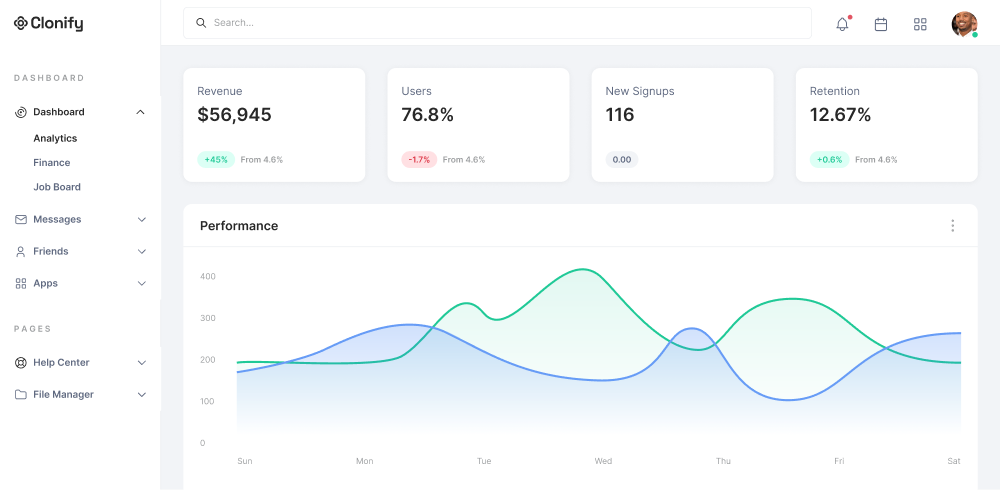
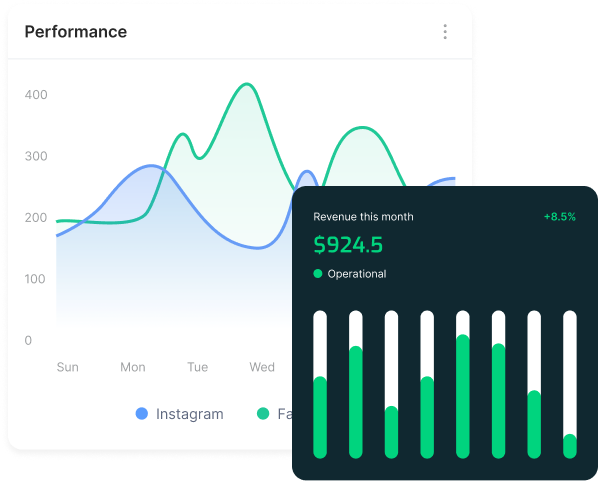
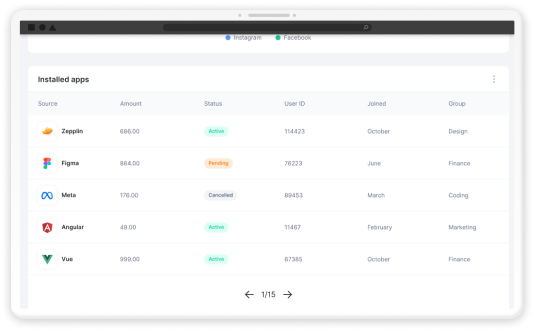
A sequence, not a sales cycle
Every engagement follows the same stages. You can stop after any stage and keep the documentation either way.
01

Discovery call
A working call of about an hour covering your current systems, the software you pay for, and the problems that prompted the enquiry.
02

Written recommendations
A short report setting out what we would keep, what we would change, what it costs and the order we would tackle it in.
03

Implementation support
We stay involved while the changes are made — configuration, account structure, permissions and the handover notes your team will need.
Works with the tools you already use
We are not tied to a single platform. Everyday business suites, accounting packages, e-commerce platforms and the tools your team has built internally are all within scope.
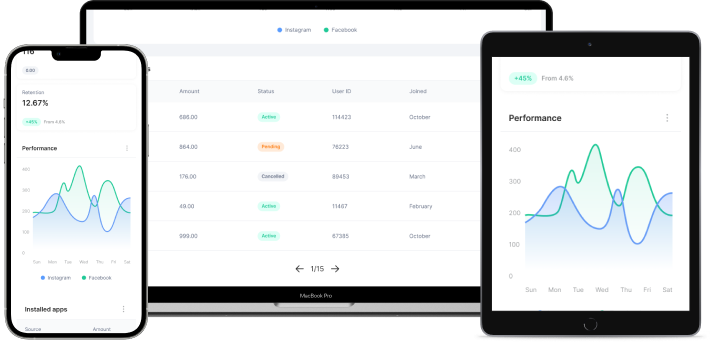

What a properly documented setup looks like
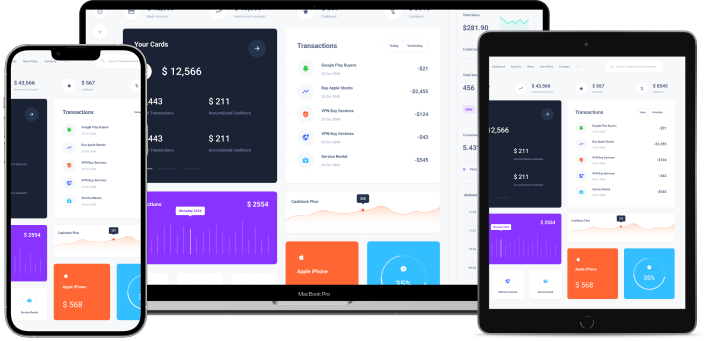
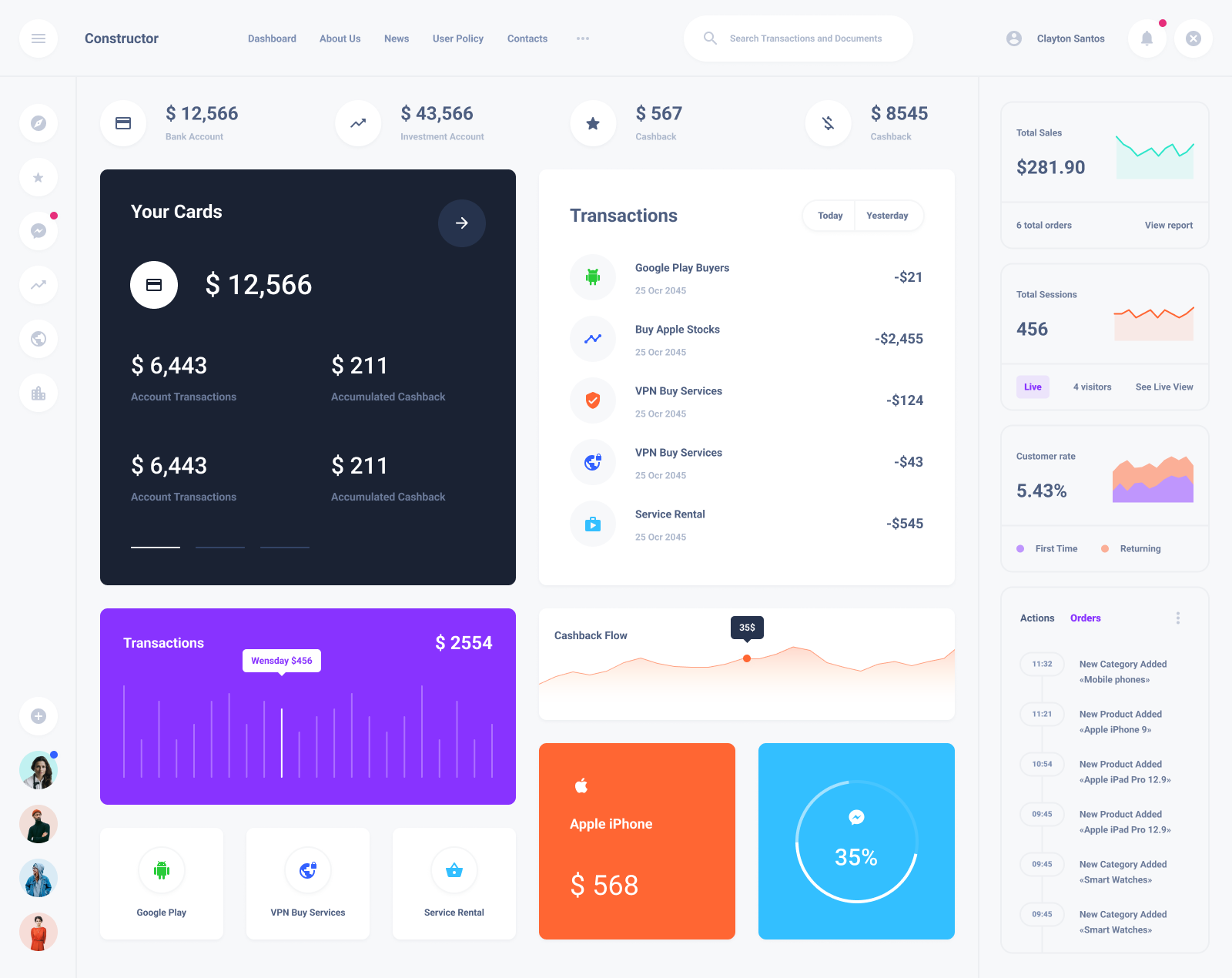
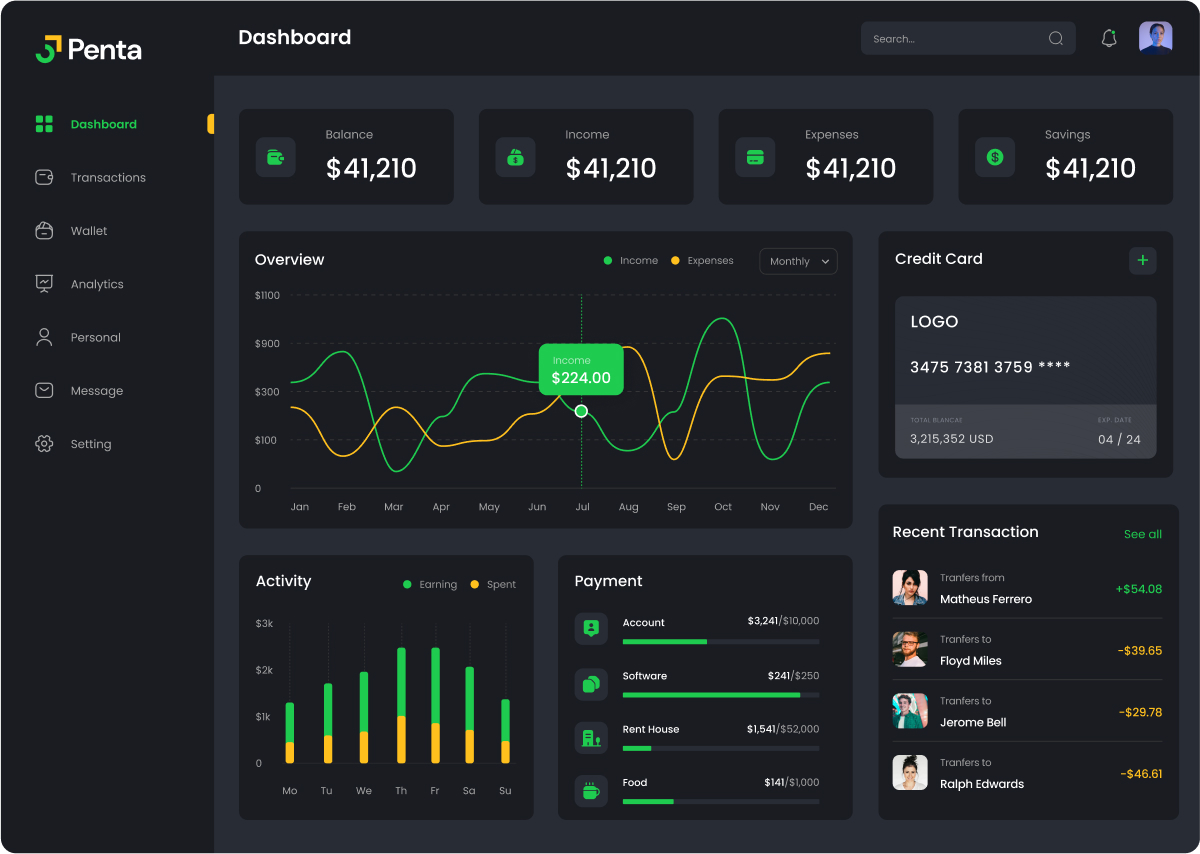
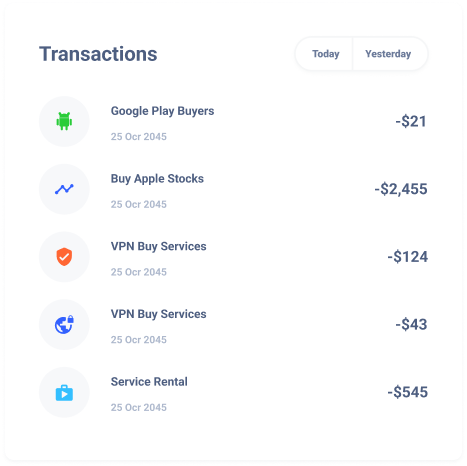
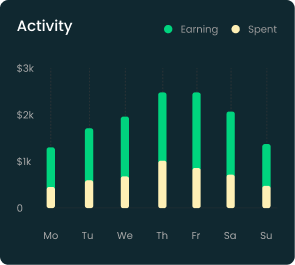
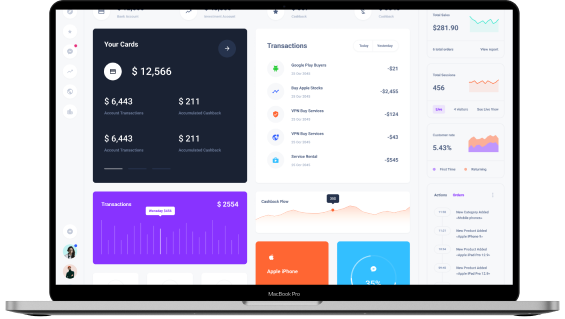
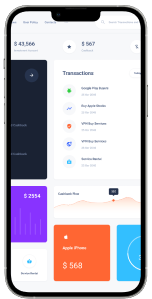
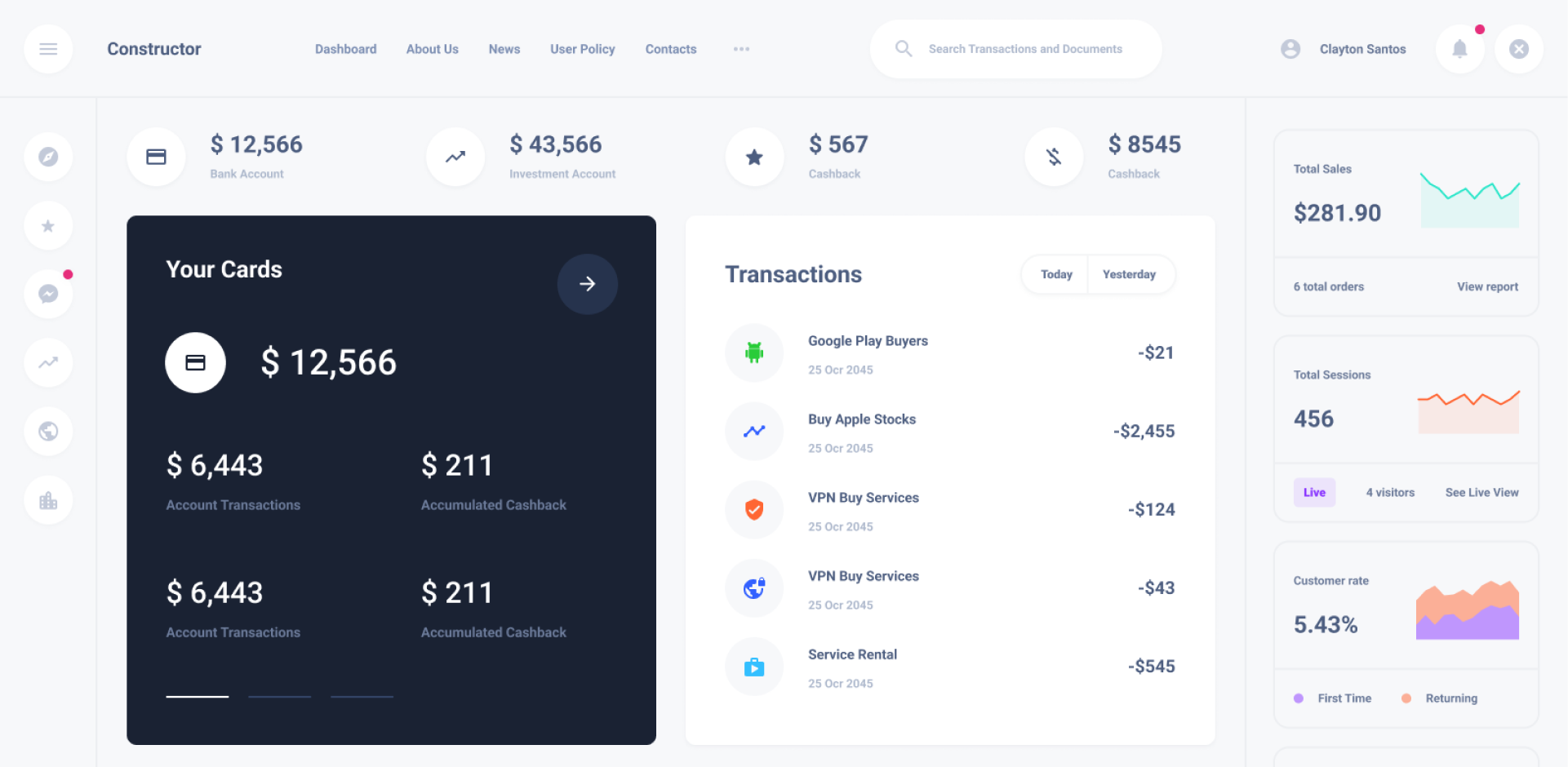
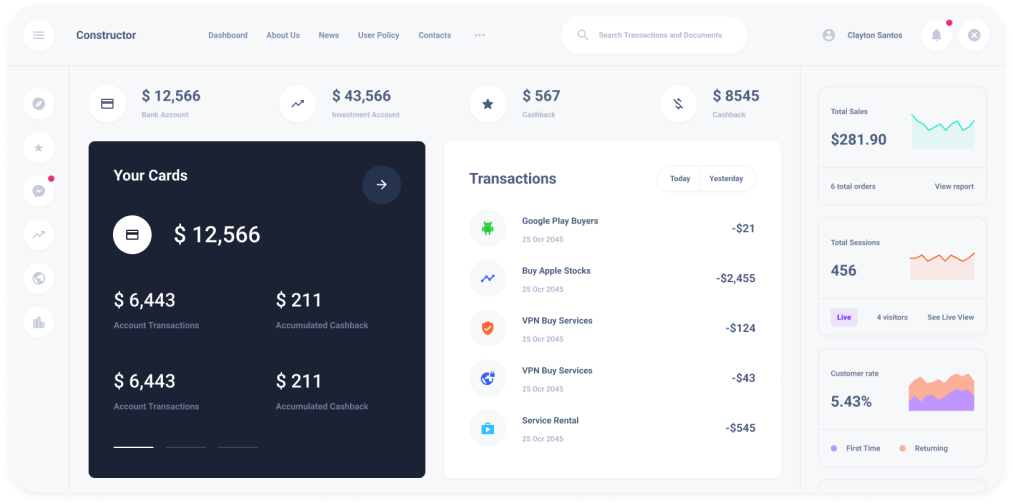
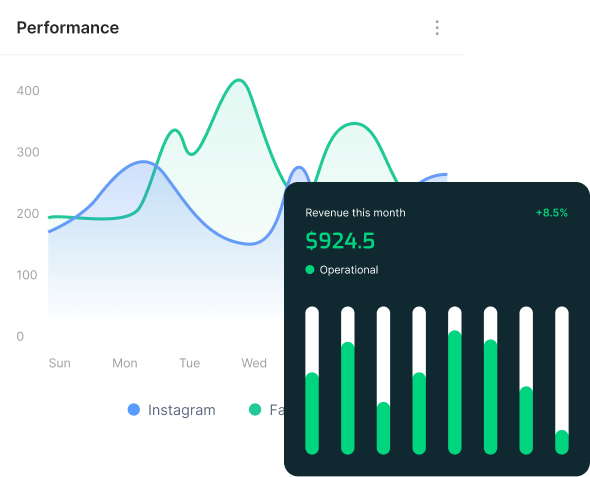
Reference material from review work: account structures, dashboards, device fleets and the handover paperwork that keeps them usable after the engagement ends.



What we look at first
Reviews tend to start in the same few places, because the same problems turn up in organisations of very different sizes. None of them are unusual, and all of them cost money every month they are left alone.
The same job paid for twice
One team keeps files in a service bought for a single project, another pays for separate storage, and neither is aware of the other. Consolidating is usually the cheapest saving available and the easiest to explain to whoever approves the budget.
Licence counts that no longer match the team
Licence seats are often still sized for the headcount of two or three years ago. We reconcile what is paid for against what is genuinely in use, and set out what reducing it would save each year.
Tools nobody owns
Applications bought by one person for one project and left running afterwards, because nobody is certain who can switch them off. Each one has an owner, a renewal date and a cost attached to it.
Administrator access that outlived the employment
Accounts with elevated access still active after the person left. It is a cost problem and a security problem at the same time, which is why it sits among the first things we check.
Backups that have never been restored
A backup job reporting success is not the same thing as a backup that works. We look at whether a restore has ever been tested, when it was last attempted, and what it actually recovered.
Work still done by hand
Approvals, onboarding and monthly reporting assembled manually because nobody configured the tool that was already being paid for. These are the tasks where a small change returns time every single week.
What you receive at the end
Every engagement finishes with documents rather than a verbal summary. They are written so that somebody who was not in the room can act on them, and they are yours to keep whether or not you continue working with us.
A written report
Findings, the reasoning behind them and the order we would tackle them in, set out in plain language. Where a technical detail matters it is explained rather than assumed, and the limits of the assessment are stated openly.
A cost schedule
What is paid today, what the alternatives cost, and which third-party charges sit outside our own fee. Recurring subscriptions and one-off amounts are shown separately so the comparison is like for like.
A prioritised action list
Each action carrying an owner, an estimate of effort and the impact it is expected to have, so the list can be worked through in stages rather than all at once while the business carries on.
Handover notes
Account ownership, renewal dates, administrator roles and support contacts recorded in one place, so that whoever picks the work up next is not beginning from a blank page.
Nothing in these documents is a guarantee of a particular outcome, and no report states or implies certification against any standard. They record what was found, what it costs and what we would do about it.
Who this work suits
The work suits organisations large enough to have accumulated software, accounts and history, and small enough that nobody holds a complete picture of any of it. In practice that is usually somewhere between five and eighty people, running a mixture of cloud services alongside one or two systems that have been in place for years.
It also suits people who want a second opinion before committing to a platform, a supplier or a migration, and the person who has inherited a setup they did not choose and is now being asked why it costs what it costs. Neither situation requires a technical background: the recommendations are written for whoever has to act on them.